
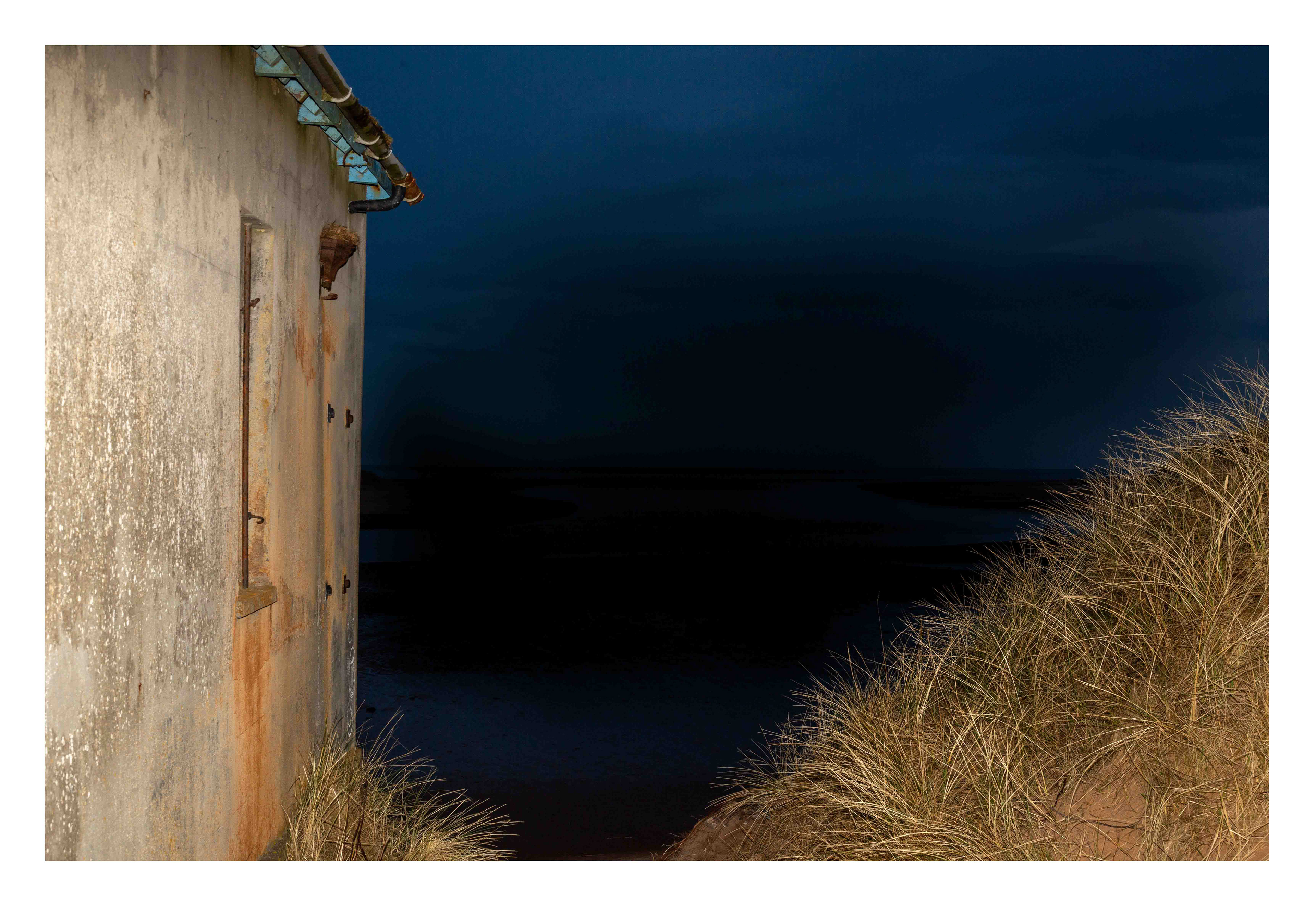
Newburgh Beach Bothy
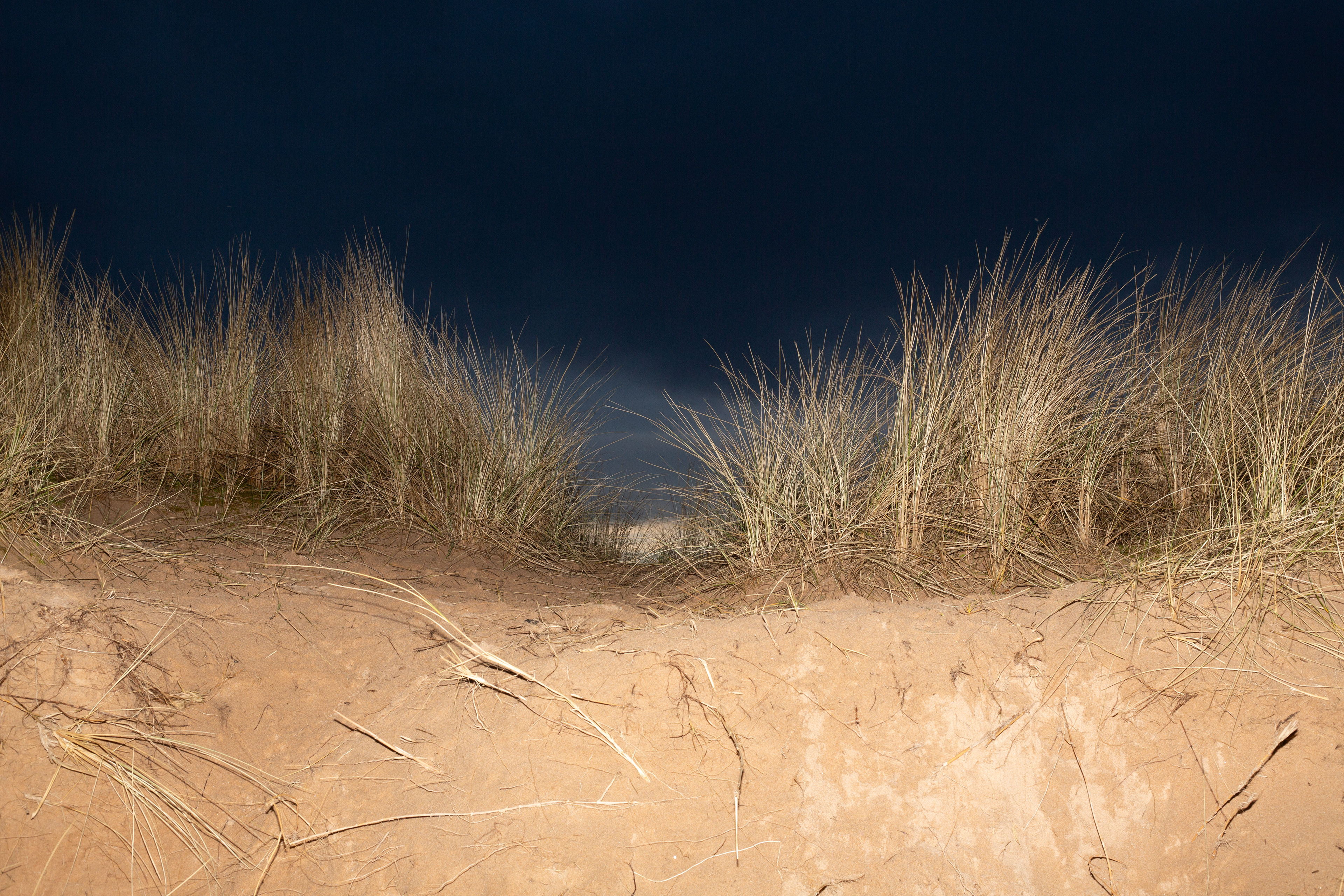
Looking through the dunes
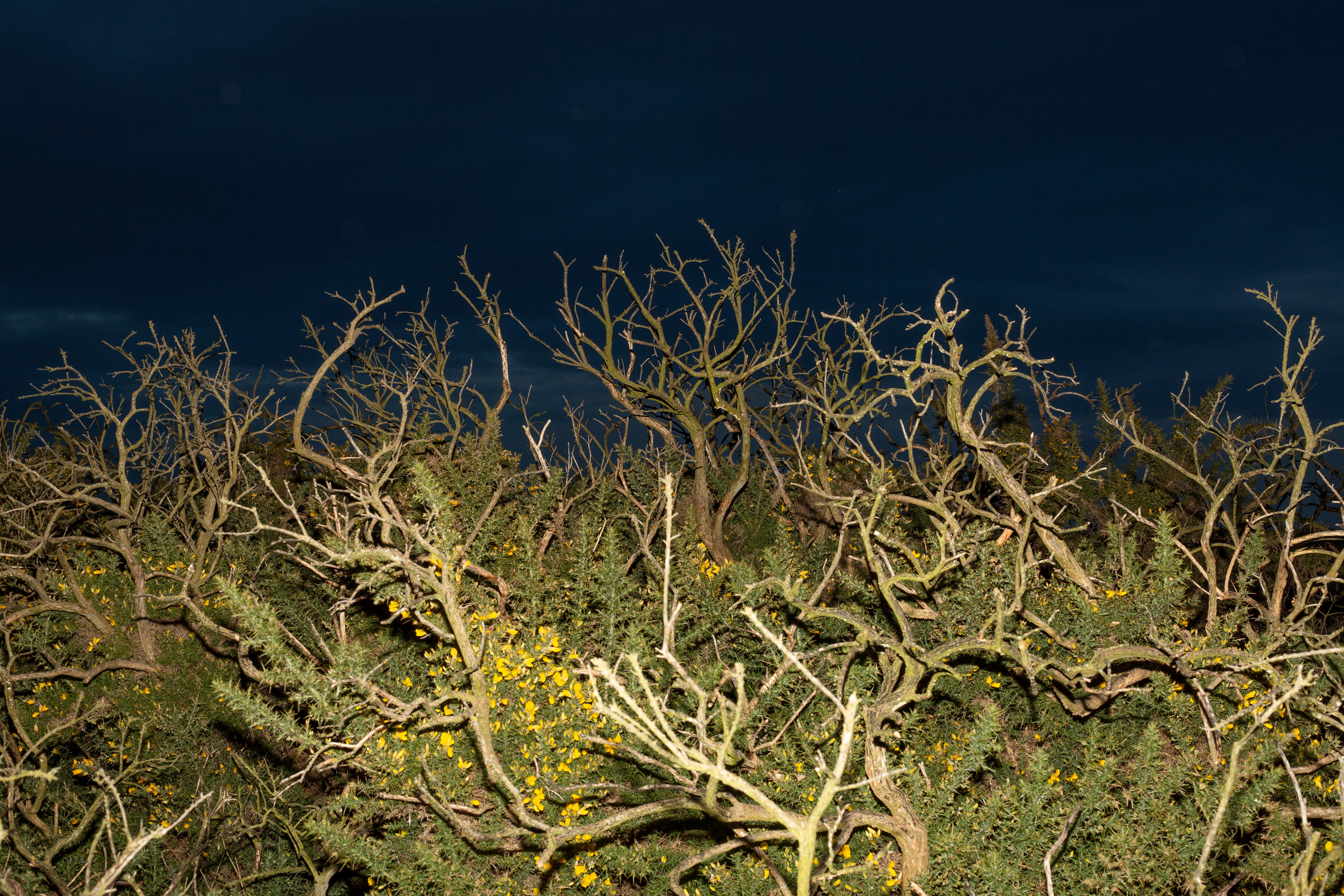
Gorse in bloom
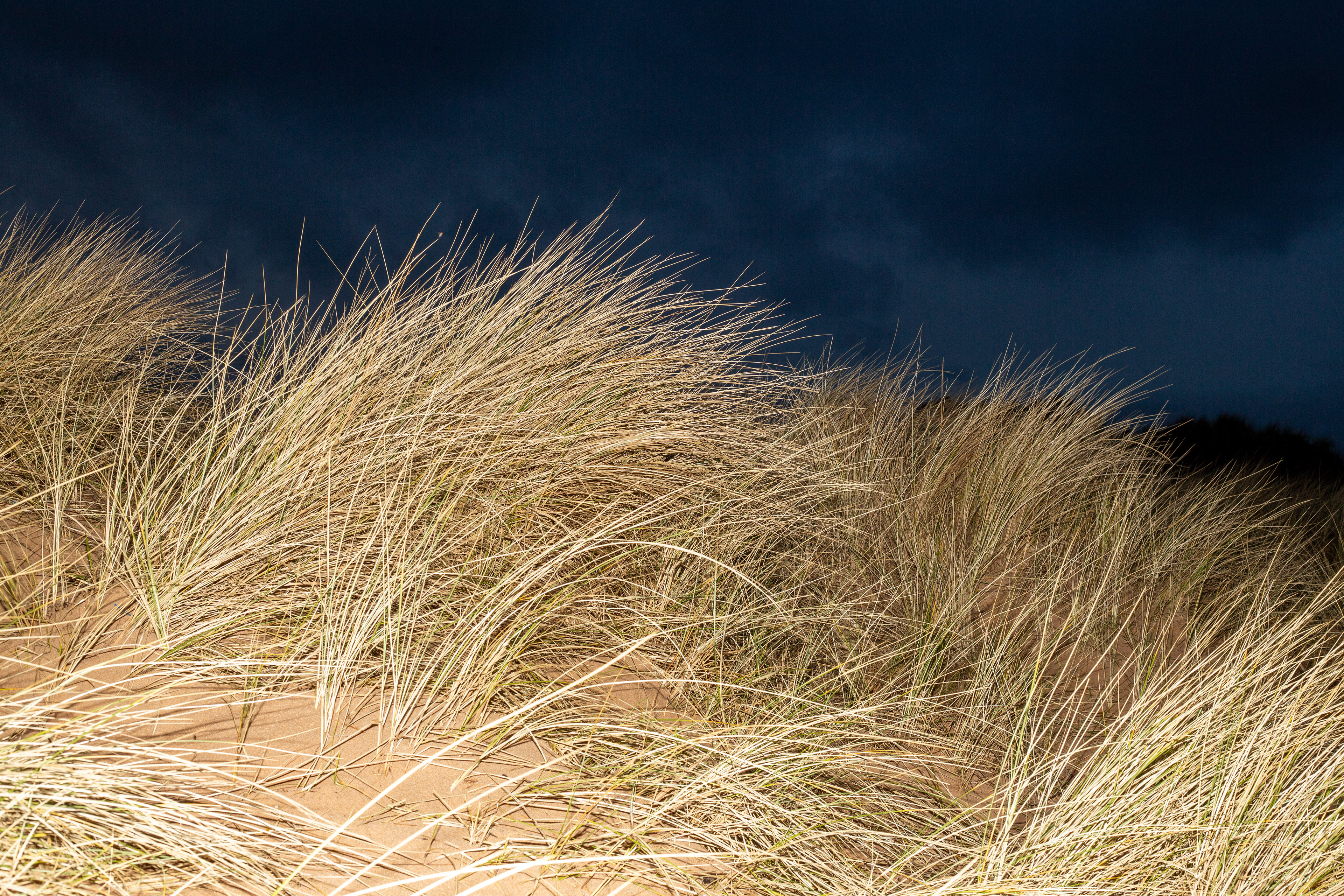
Saw grass waving in wind
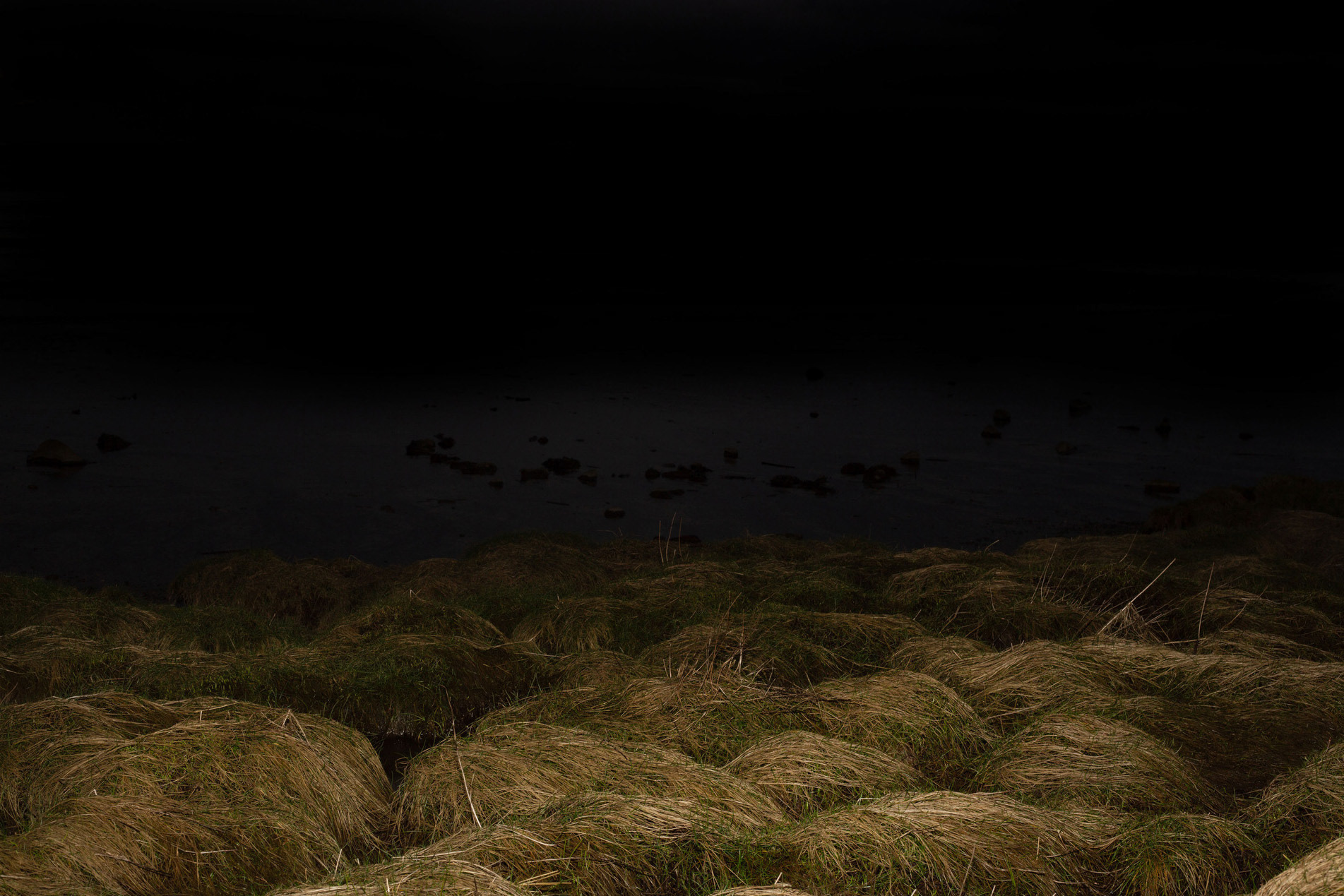
Forvie Estuary
Site and Method
This project emerges from lived experience and unfolds over time. Shaped by my own long-term relationship with mental health, it explores how personal experience can inform documentary practice with care, sensitivity, and depth. What began as an attempt to understand my own moments of vulnerability and recovery has grown into a wider inquiry—one that asks how creative practice can hold space for reflection, connection, and shared understanding.
Aims and Relevance
To widen this perspective, I engaged with mental health professionals to learn from the techniques they use to support well-being, and with artists who have translated experiences of illness, anxiety, and recovery into creative work. Many of these practitioners collaborate with hospitals and charities, where art functions as both therapy and advocacy. These conversations shaped the project’s core themes: the loss and reconstruction of identity, shifts in sensory perception, and the fragile connections between body, mind, and memory. Attention is given to how a weakened immune system alters daily life, and to the quiet emotional power of sound, scent, and environment in sustaining resilience.
Conclusion
The resulting work brings together fifteen years of lived experience, research, and reflection, forming a visual meditation on endurance, perception, and care. Walking and time spent outdoors are embedded within the project’s methodology, simple, repeatable acts that lift mood, ease stress, and restore a sense of balance. Through this rhythm of movement and observation, the work reflects on healing not as a fixed outcome, but as an ongoing process: slow, attentive, and sustained. It positions creative practice as a gentle but vital tool for understanding mental health, fostering empathy, and contributing to broader conversations around well-being and recovery